
Ancient Temples and Darghah at Ranthambore
Ancient Temples and Darghah at Ranthambore
Ranthambore is not only known for its wildlife and historic fort but also for its ancient temples, shrines, and dargahs, reflecting the region’s rich cultural and spiritual heritage. These places of worship have been part of the local landscape for generations and add another dimension to a visit beyond the national park.
From historic Hindu temples within and around the Ranthambore Fort to revered dargahs and local shrines, these sites showcase the diverse traditions and architectural heritage of the Sawai Madhopur region. Exploring them offers visitors an opportunity to experience the spiritual, cultural, and historical side of Ranthambore.
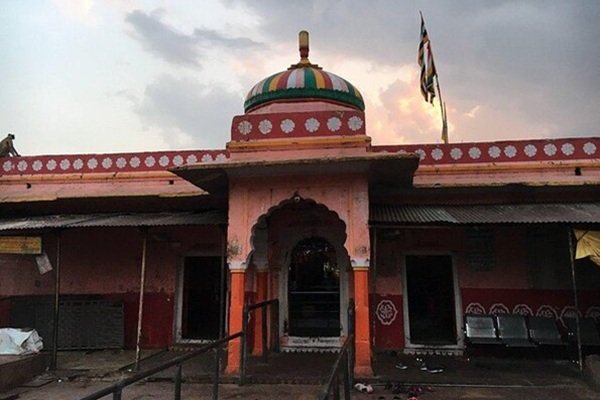
Trinetra Ganesh Temple
Trinetra Ganesh Temple is one of the most revered spiritual landmarks in the Ranthambore region, located within the historic Ranthambore Fort. Dedicated to Lord Ganesha, the temple is deeply connected with local traditions and attracts devotees and visitors throughout the year.
The temple is particularly known for its distinctive three-eyed (Trinetra) form of Lord Ganesha. Set amid the historic fort and surrounding wilderness, it offers visitors a unique combination of spiritual significance, heritage, and the natural beauty of Ranthambore.
Kala Gora Bhairava Temple
Kala Gora Bhairava Temple is a revered religious site associated with the cultural and spiritual heritage of the Ranthambore region. Dedicated to Bhairava, a form traditionally associated with Lord Shiva, the temple holds significance for local devotees.
Surrounded by the historic and natural landscape of Ranthambore, the temple offers visitors an opportunity to explore the spiritual traditions and lesser-known heritage sites of the region alongside its famous fort and wildlife attractions.
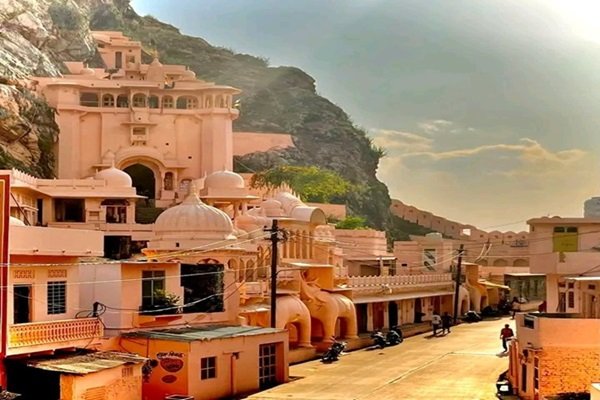
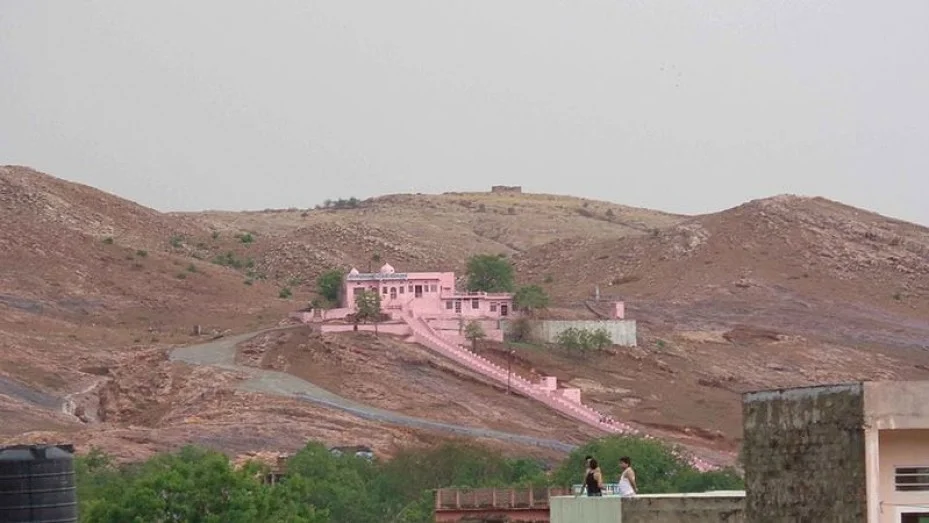
Galta Temple
Galta Temple is a revered religious site in the Sawai Madhopur region, known for its peaceful surroundings and traditional architecture. The temple reflects the area’s rich spiritual heritage and provides visitors with an opportunity to experience a quieter side of the region beyond its famous wildlife attractions.
Surrounded by the natural landscape of Rajasthan, Galta Temple is a meaningful stop for travellers interested in exploring the local culture, religious traditions, and heritage of Sawai Madhopur.
Peer Sadruddin Tomb
Peer Sadruddin Tomb is a historic religious site in the Sawai Madhopur region, reflecting the area’s diverse spiritual and cultural heritage. The tomb is associated with local traditions and attracts visitors interested in exploring the lesser-known historical and religious landmarks around Ranthambore.
Its peaceful setting and cultural significance make it a worthwhile addition to a heritage-focused visit, offering a glimpse into the multicultural history and traditions of the region.
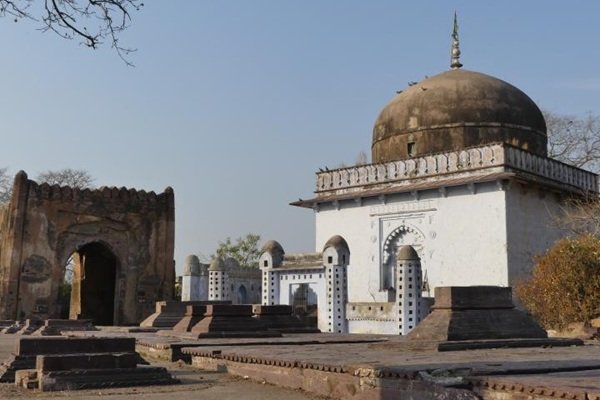
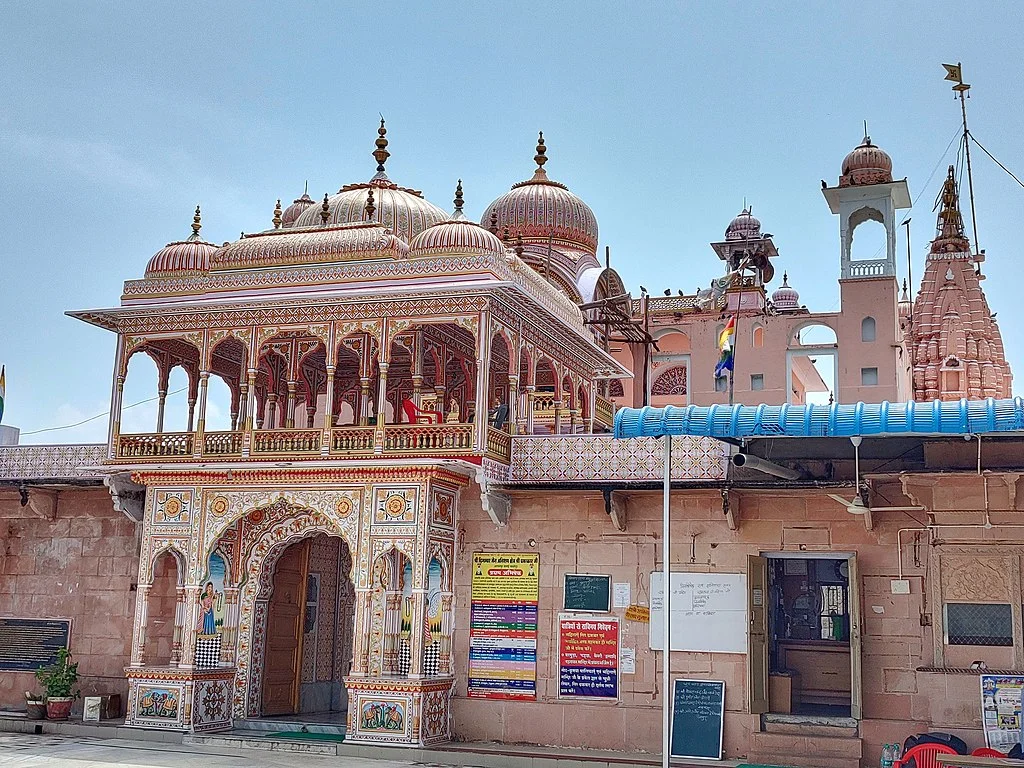
Chamatkar Jain Temple
Chamatkar Jain Temple is a revered Jain pilgrimage site near Sawai Madhopur, known for its spiritual significance and peaceful atmosphere. Dedicated to Jain traditions and worship, the temple attracts devotees and visitors throughout the year.
The temple is also associated with local beliefs and stories of divine blessings, adding to its cultural importance. With its serene surroundings and religious heritage, Chamatkar Jain Temple offers visitors an opportunity to explore another important aspect of the region beyond Ranthambore’s wildlife and historic fort.