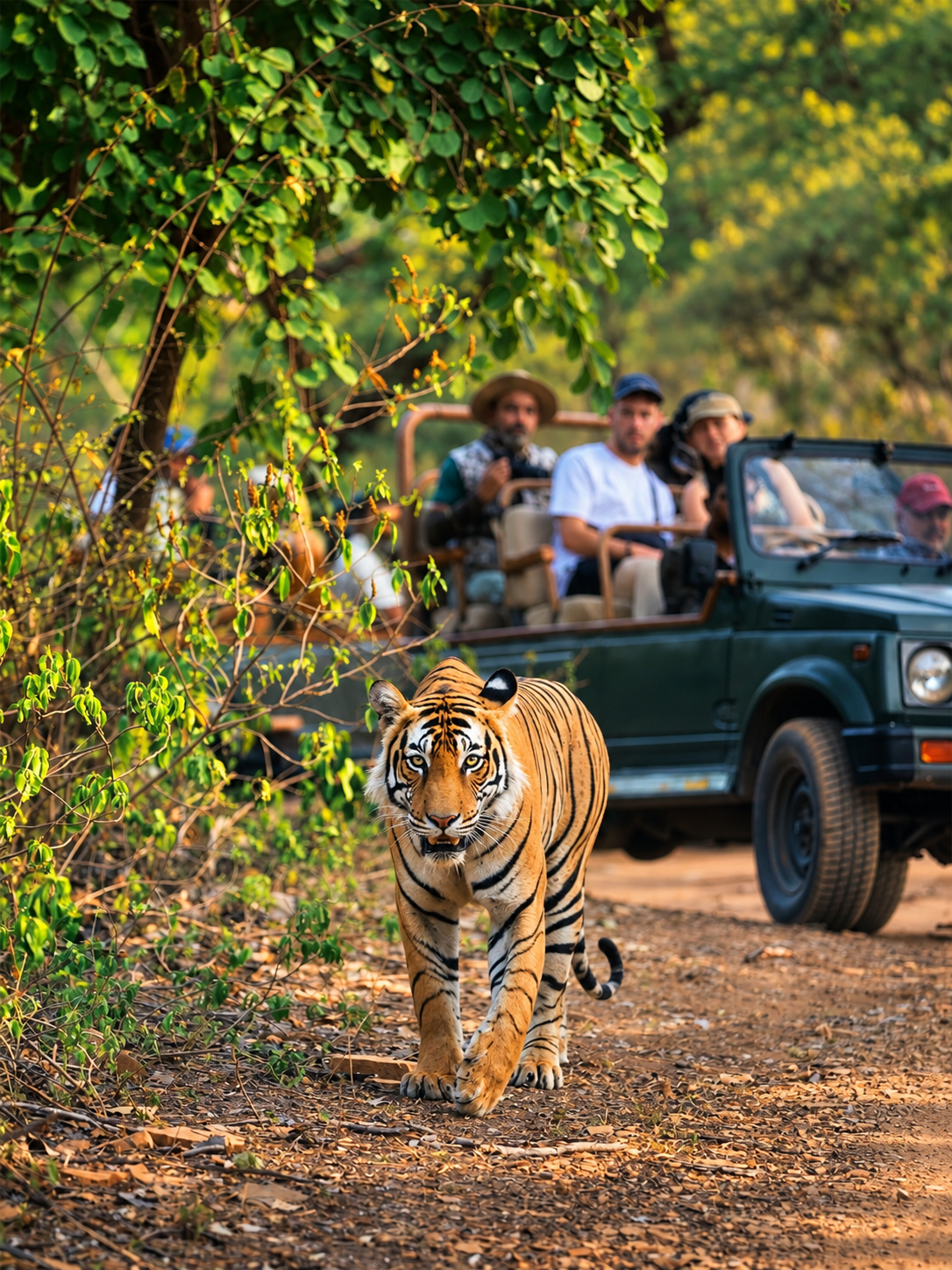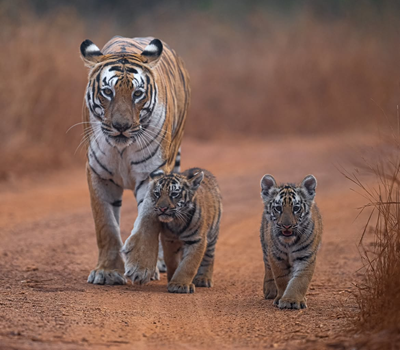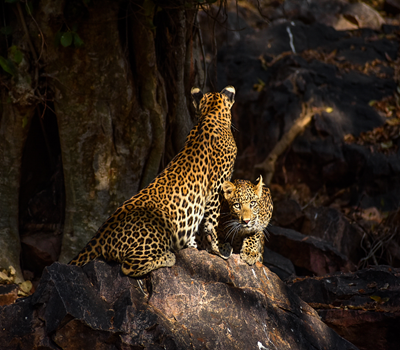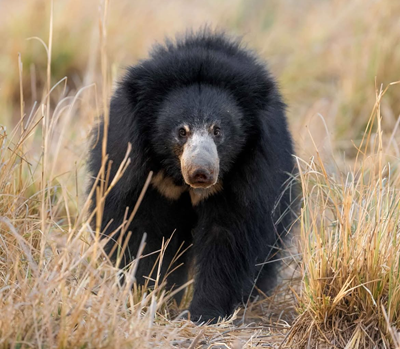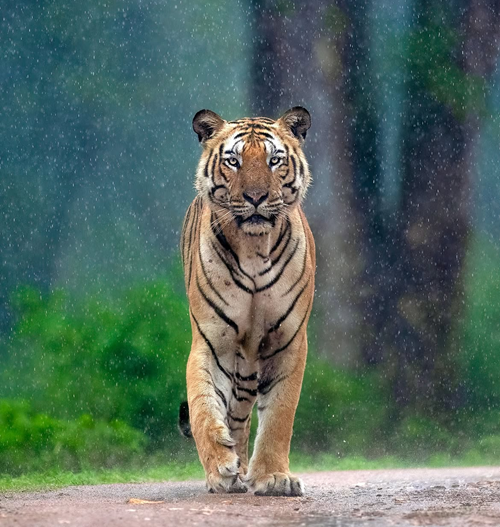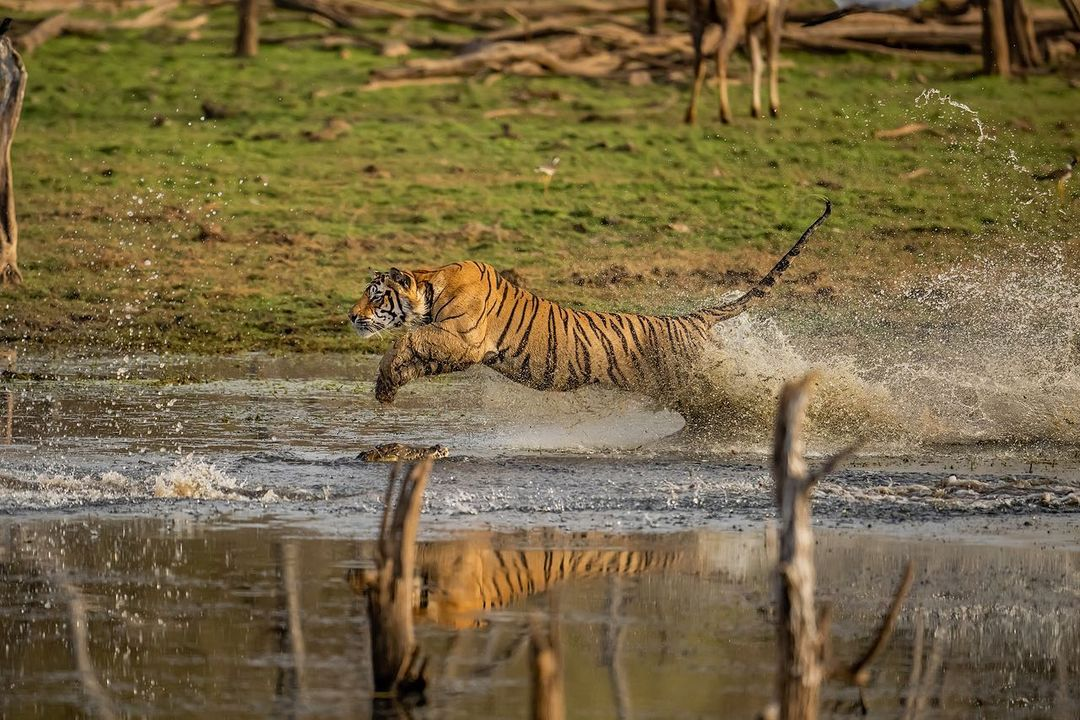
Wild Animals at Ranthambore
Ranthambore is famous for wild animals like tiger, leopard, spotted deer, black buck.
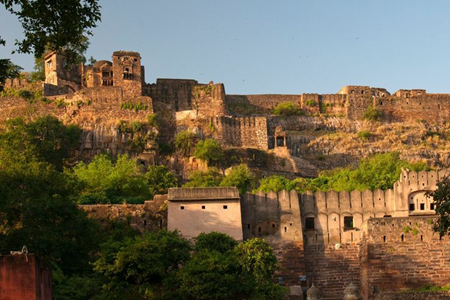
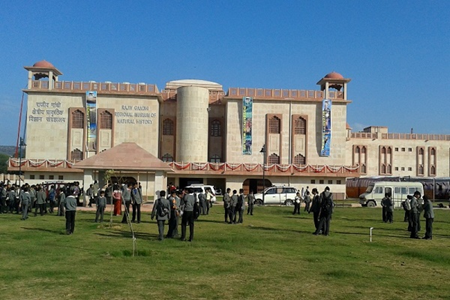
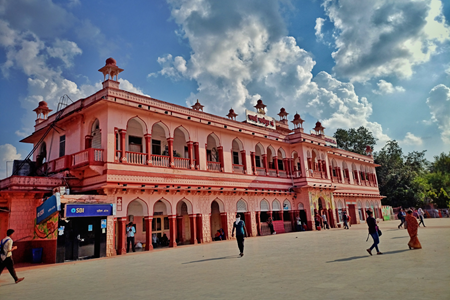
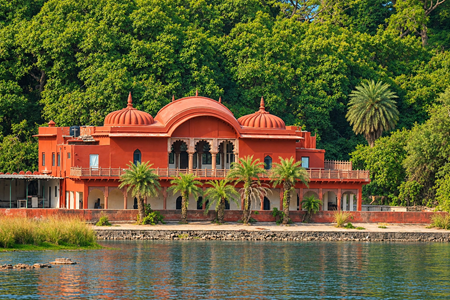
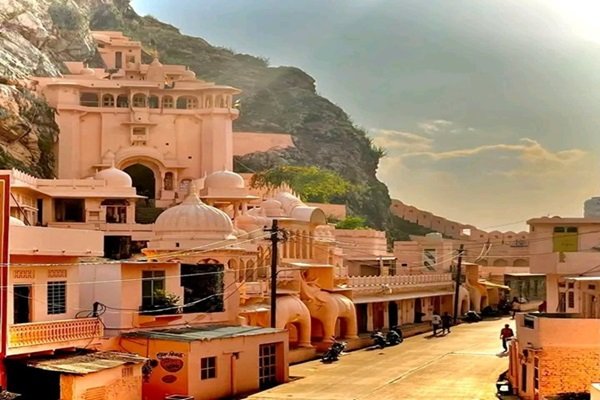
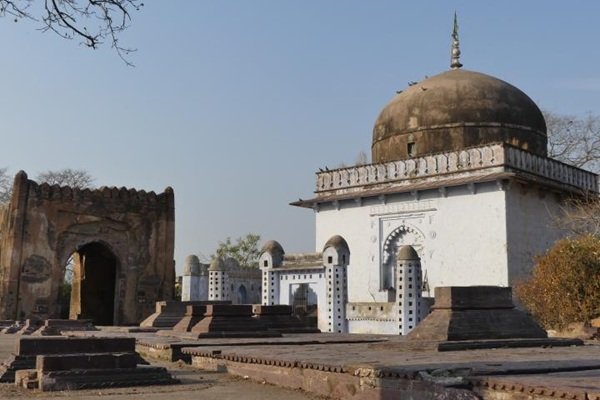
Heritage Places
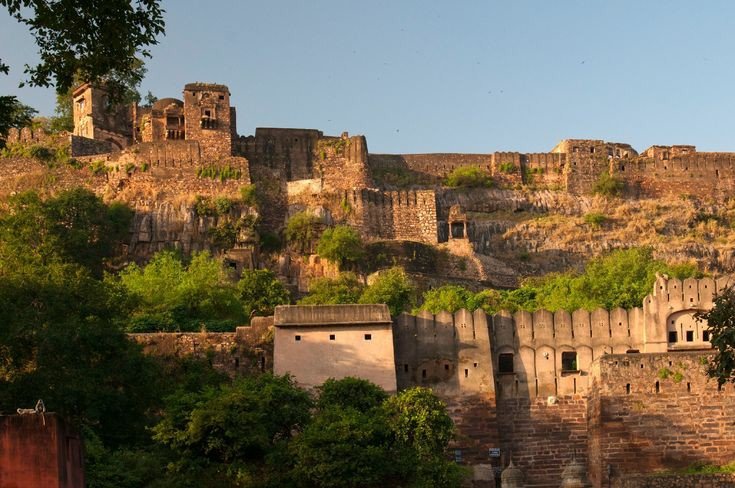
There are many heritage places like fort, railways, museum etc. to fell the Rajasthan Culture.
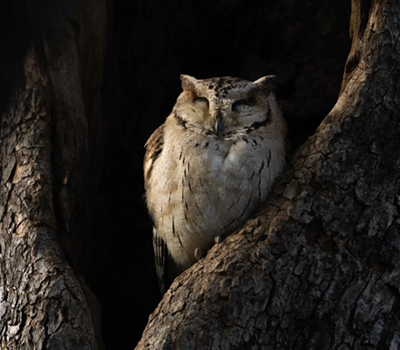
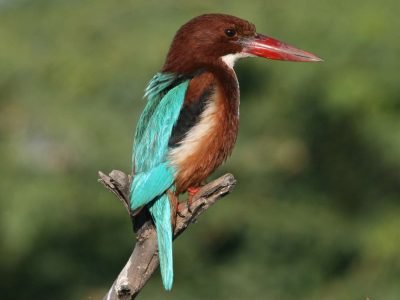
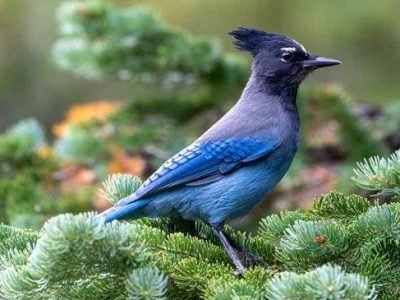
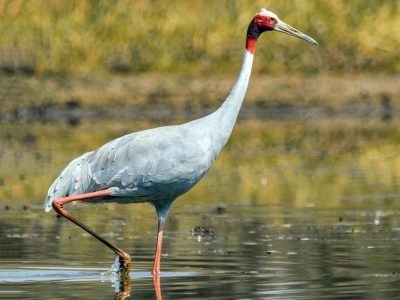
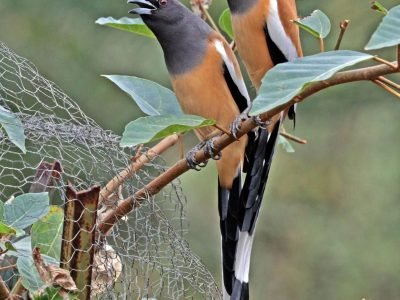
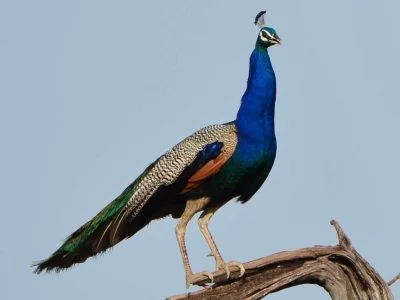
Bird Species
Ranthambore is also famous for 300+ Bird species.
Previous slide
Next slide

Enquire Now:

Note : By submitting this form, you request a callback or quotation regarding tour packages in Ranthambore. Your personal contact details will only be used to respond to your inquiry in accordance with our Privacy Policy.

Explore Ranthambore With Wild Roam Tours

Wild Roam Tours is an independent private tour agency based in Ranthambore, dedicated to providing complete, well-organized tour experiences for nature and history enthusiasts. We specialize in comprehensive trip planning, offering safari booking assistance, guided Ranthambore Fort excursions, scenic Chambal River boating trips, and curated museum visits.

Our tour services are built around transparency, reliability, and local expertise. Working alongside knowledgeable guides and local specialists, we help travelers design custom itineraries, secure accommodation options that fit their travel style. We prioritize clear communication, upfront pricing, and responsible tourism practices to ensure a seamless, hassle-free exploration of Ranthambore’s rich wildlife and historic heritage.

Wildlife at Ranthambore

Birds in Ranthambore

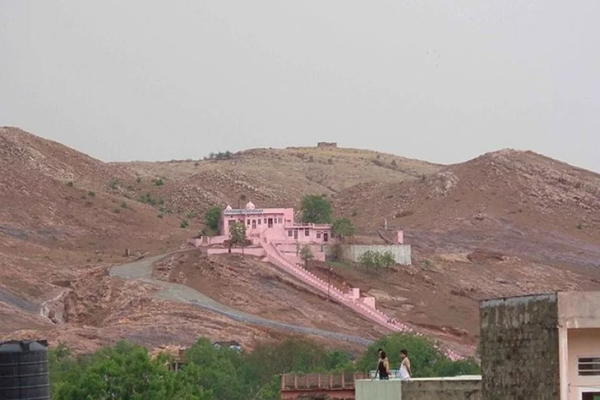
Heritage Ancient and Historical Places

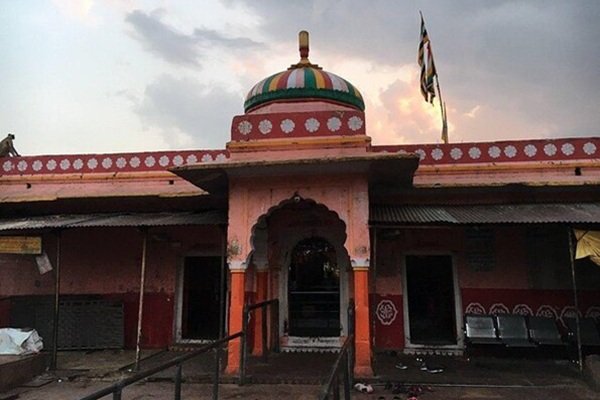
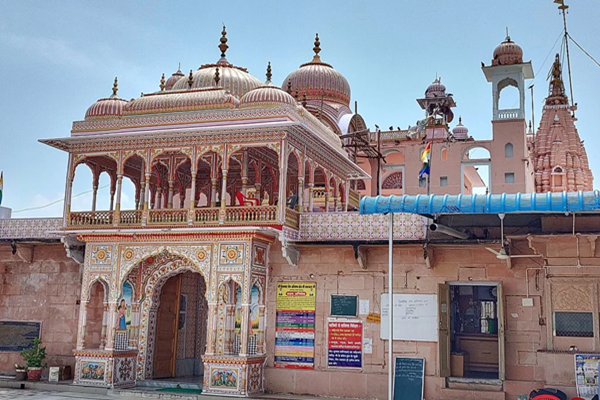
Ancient Temples and Darghah

Ranthambores National Park

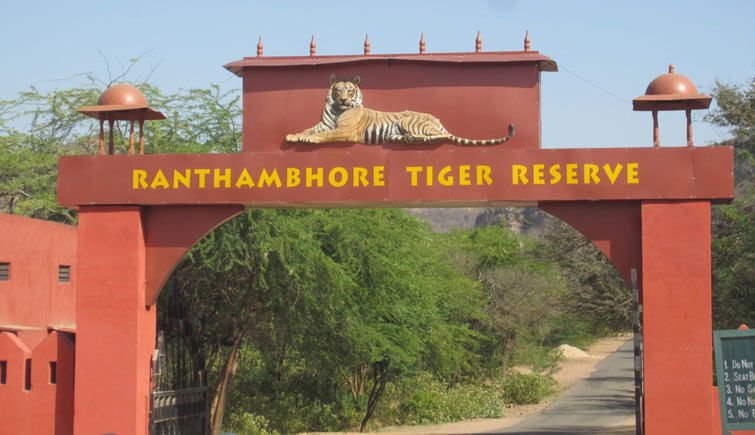
Ranthambore National Park is one of Rajasthan’s most renowned wildlife destinations, known for its diverse landscapes, rich wildlife, and natural beauty. Located near Sawai Madhopur, the park is home to Bengal tigers, leopards, sloth bears, deer, crocodiles, and numerous bird species. The combination of forests, lakes, grasslands, and the historic Ranthambore Fort makes it a unique destination for wildlife and nature enthusiasts.

History of Ranthambore

Established as a National Park in 1980, Ranthambore forms an important part of the Ranthambore Tiger Reserve, which was among the reserves included in Project Tiger in 1973. Located near Sawai Madhopur, the park covers around 392 square kilometres and features a fascinating mix of dry deciduous forests, grasslands, lakes, and wetlands that support a rich variety of wildlife.

Set against a landscape of rugged hills, ancient ruins, and historic landmarks, Ranthambore offers a remarkable combination of wildlife and nature. The park plays an important role in tiger conservation while providing a protected habitat for Bengal tigers, leopards, sloth bears, deer, crocodiles, and numerous bird species.

Ranthambore Safari Vehicles

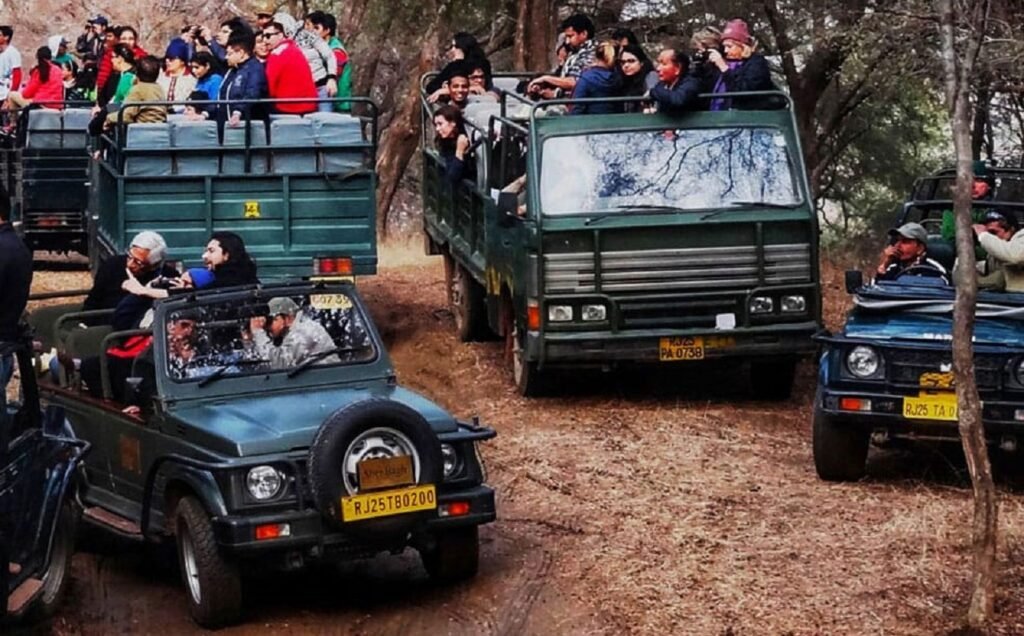
Ranthambore National Park offers two main types of safari vehicles: the Gypsy Safari and the Canter Safari. Both provide an opportunity to explore the park with a driver and forest guide, but they differ in vehicle size, seating capacity, and overall safari experience. A Gypsy is an open 4×4 vehicle suitable for smaller groups, while a Canter is a larger open safari vehicle designed for shared group travel.

Gypsy Safari

The Ranthambore Gypsy Safari is an open-top 4×4 safari vehicle with a capacity of up to six people, including the driver and guide. Its smaller size makes it well suited to navigating the park’s safari tracks and provides an open view of the surrounding forest. Gypsy safaris are available across the designated safari zones, subject to Forest Department allocation and availability. They are particularly popular with wildlife photographers, couples, families, and travellers looking for a more intimate safari experience.

Canter Safari

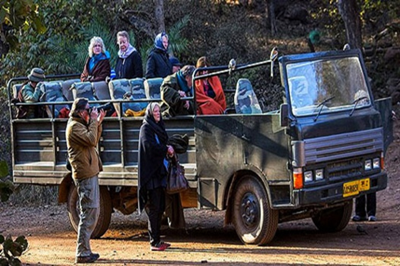
The Ranthambore Canter Safari is an open safari bus with seating for around 20 visitors. It is a shared safari experience and can be a practical choice for families, groups, and travellers looking for a larger group safari. Canters operate in designated zones, with current guidance indicating that Zones 1–6, 9 and 10 can be accessed by Canter, while Zones 7 and 8 are generally Gypsy-only. Vehicle access can change according to Forest Department rules and the date of travel.

Gypsy vs Canter Safari

Feature Gypsy Safari Canter Safari
Vehicle Type Open 4×4 Gypsy Open Safari Canter
Capacity Up to 6 visitors Up to 20 visitors
Safari Experience Smaller and more intimate Shared group experience
Best Suited For Families, couples & photographers Families, groups & budget-conscious travellers
Vehicle Size Smaller and more flexible Larger group vehicle
Safari Zones Generally available across designated zones Operates in designated zones
Privacy More private Shared with other visitors
Photography Good choice for wildlife photography Suitable for general wildlife viewing
Group Size Small group Larger group

Ranthambore Safari Zones

Ranthambore is divided into 10 safari zones, each offering different landscapes, habitats, water bodies, and wildlife experiences. Zones 1–5 are commonly described as the core safari area, while Zones 6–10 cover buffer and peripheral areas. The Forest Department determines the final zone allocation, and visitors should not assume that a particular zone guarantees a tiger sighting. Know More

Ranthambore Safari Shift

Ranthambore generally operates safari drives in two shifts—morning and afternoon/evening. Safari timings change throughout the season according to sunrise and sunset. Rajasthan Tourism states that the park is generally open from October through June.

Morning Safari : 

The morning safari takes place during the cooler part of the day and provides an opportunity to explore the forest as it becomes active after sunrise. Visitors may encounter deer, birds, monkeys, reptiles, and, with luck, larger predators.

Afternoon Safari :

The afternoon safari begins later in the day and continues toward sunset. The changing light creates a different atmosphere in the forest, while animals may become more active as temperatures begin to fall. 

Ranthambore Safari Timing

As Safari timings change throughout the season according to sunrise and sunset. A commonly published seasonal schedule is:

Safari Period Morning Safari Afternoon Safari
1 Oct – 31 Oct 6:30 AM – 10:00 AM 2:30 PM – 6:00 PM
1 Nov – 31 Jan 7:00 AM – 10:30 AM 2:00 PM – 5:30 PM
1 Feb – 31 Mar 6:30 AM – 10:00 AM 2:30 PM – 6:00 PM
1 Apr – 15 May 6:00 AM – 9:30 AM 3:00 PM – 6:30 PM
16 May – 30 Jun 6:00 AM – 9:30 AM 3:30 PM – 7:00 PM

How to Reach Ranthambore

Ranthambore is located near Sawai Madhopur in Rajasthan and is well connected by rail and road. The national park is approximately 14 km from Sawai Madhopur, making the town the main gateway for visitors travelling to Ranthambore. 

By Train

Sawai Madhopur Railway Station is the most convenient railway station for travellers visiting Ranthambore. Regular trains connect Sawai Madhopur with major cities including Jaipur, Delhi, Mumbai, Kota and other parts of India. From the railway station, visitors can take a taxi, auto-rickshaw or local transport to their hotel and safari area. Know More


Plan Your Ranthambore Tour with Us

A Ranthambore safari is more than a search for the Bengal tiger. The journey takes visitors through dry deciduous forests, grasslands, lakes, rocky terrain, and historic landscapes where wildlife and heritage exist side by side. With the right safari vehicle, timing, and preparation, visitors can enjoy a rewarding experience exploring one of Rajasthan’s best-known wildlife destinations.

Plan your Ranthambore safari with Wild Roam Tours and explore the wildlife, landscapes, and heritage of Ranthambore.

Special Blogs

Our Blogs

Testimonials

What Our Visitor Saying About Us

Home
Call
Whatsapp
Guide

Plan Your Tour

Fill out the form below, and we will be in touch shortly.

Contact Information
Document & Adress