
Ranthambore is widely known as a renowned wildlife destination. Besides its rich wildlife, Ranthambore is also known for its fascinating heritage, historical landmarks, ancient architecture, and cultural attractions.
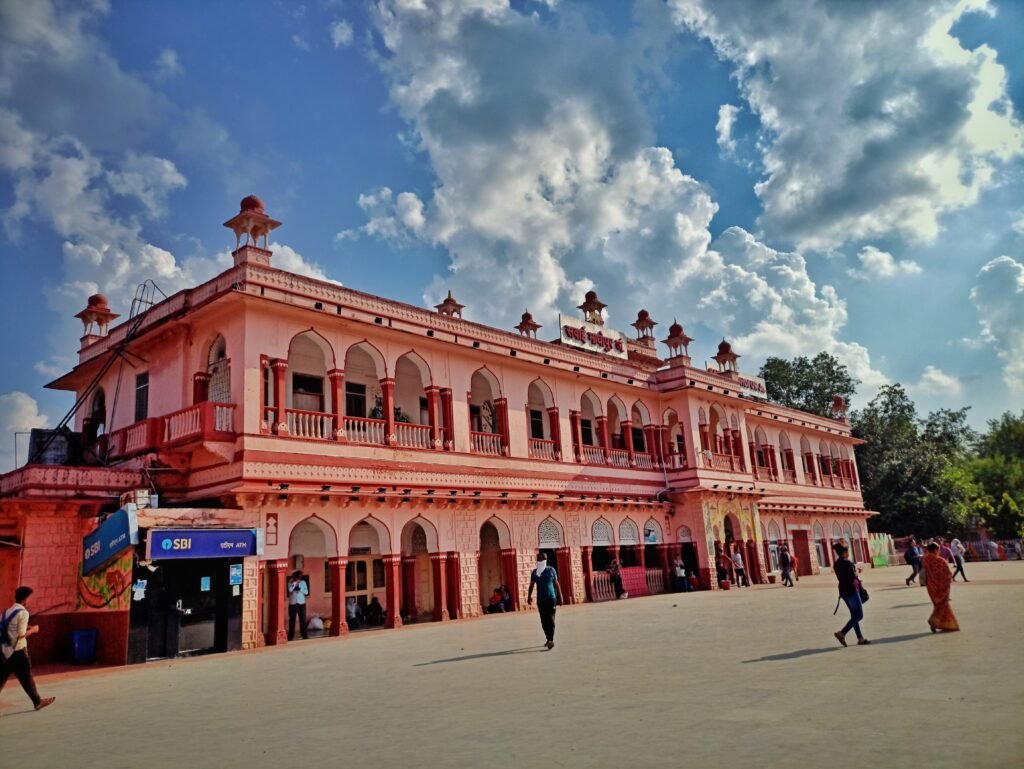
Sawai Madhopur Railway Station reflects the region’s rich heritage and strong connection with Ranthambore’s wildlife. Its traditional architectural character is complemented by colourful wildlife paintings and artistic depictions of tigers, birds, and other local animals, creating a distinctive visual identity for visitors arriving in the region.
The artwork adds a cultural and artistic touch to the station while introducing travellers to the wildlife and heritage of Sawai Madhopur and Ranthambore even before they begin their journey into the national park.
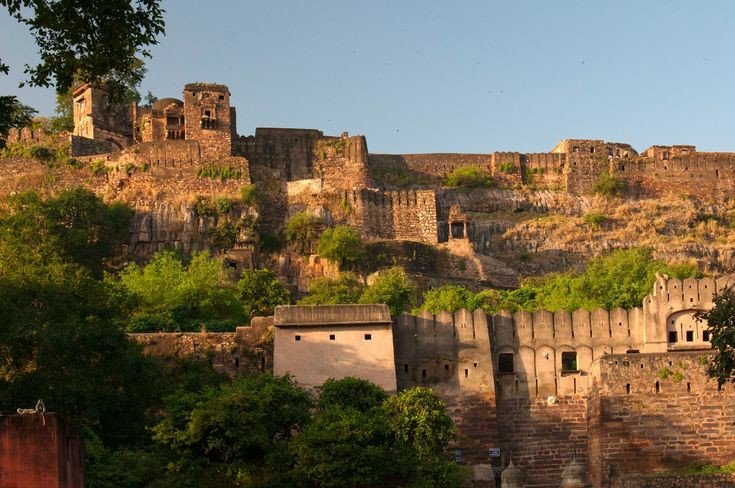
Ranthambore Fort is one of the most remarkable historical landmarks in the Sawai Madhopur region and a major attraction for visitors exploring Ranthambore. Perched on a hill within Ranthambore National Park, the fort offers a fascinating blend of history, architecture, and natural surroundings.
Built several centuries ago, the fort features massive stone walls, gateways, temples, ancient structures, and panoramic views of the surrounding forests and lakes. Its historic significance and setting amidst the wilderness make Ranthambore Fort a unique place where Rajasthan’s rich heritage meets its famous wildlife landscape.
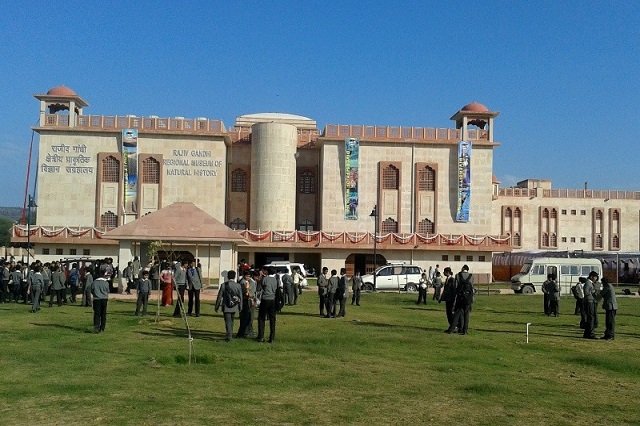
The Rajiv Gandhi Regional Museum of Natural History, located in Sawai Madhopur, offers visitors an interesting insight into India’s natural heritage, wildlife, biodiversity, and environment. The museum features educational displays and exhibits that help visitors understand different ecosystems and the importance of wildlife conservation.
For travellers visiting Ranthambore, the museum provides a valuable opportunity to learn more about the region’s natural environment and wildlife before or after exploring the national park.
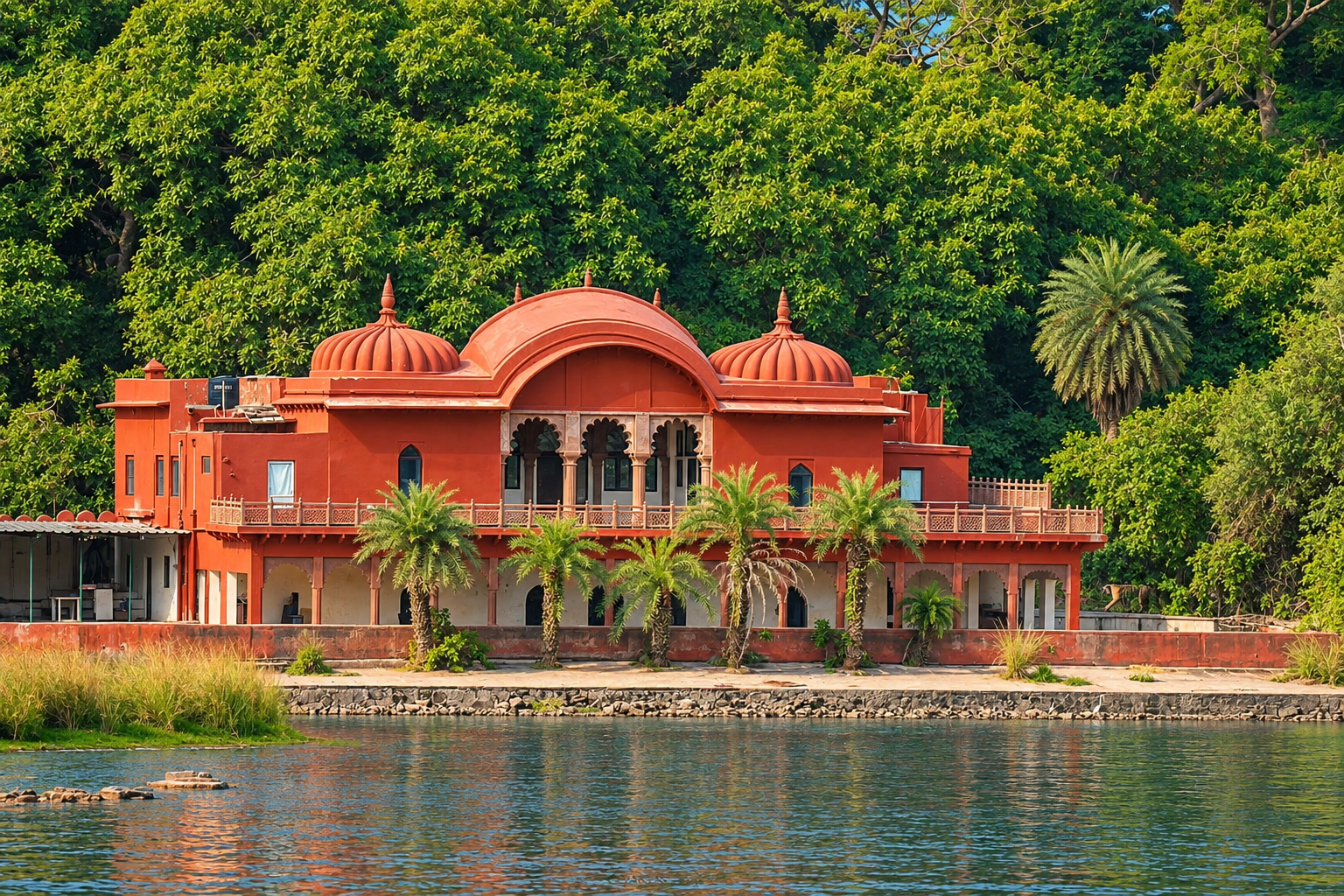
Jogi Mahal is a historic structure located near the picturesque Padam Talao in Ranthambore National Park. Surrounded by forests and scenic landscapes, the red sandstone building adds a distinctive heritage character to the wilderness of Ranthambore.
Once associated with travellers and visitors exploring the region, Jogi Mahal is now admired for its historic architecture and beautiful natural setting. Its location beside Padam Talao also makes it a notable landmark within the Ranthambore landscape.
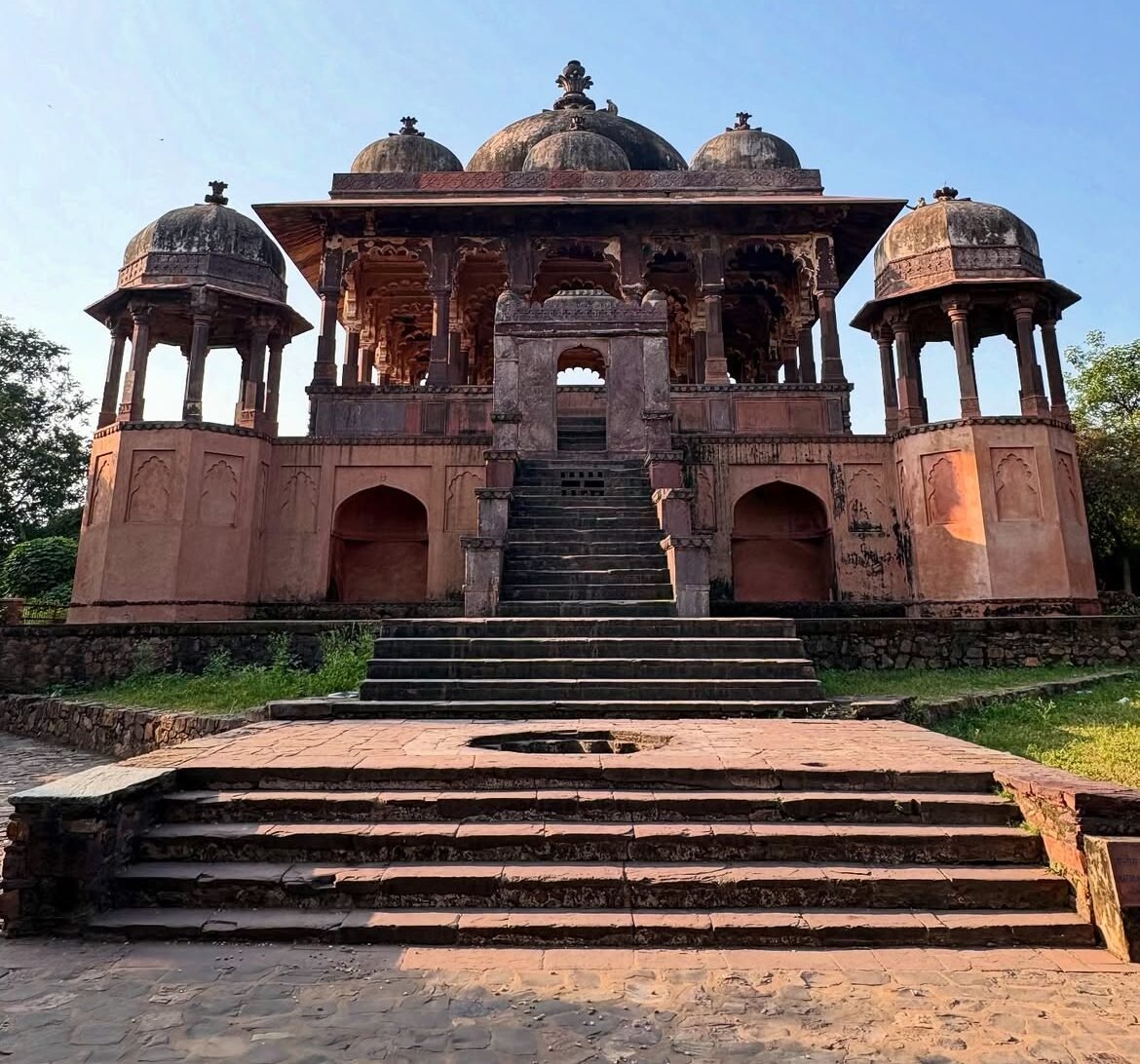
Battis Khamba Chhatri is a historic architectural landmark in the Ranthambore region, known for its traditional Rajput-style design and distinctive stone pillars. The name Battis Khamba refers to the structure’s 32 pillars, which support its elegant domed pavilion.
Surrounded by the natural landscapes of Ranthambore, this heritage structure offers a glimpse into the region’s architectural traditions and historic past. It is an interesting stop for travellers looking to explore Ranthambore beyond its wildlife and safari experiences.

Wild Roam Tours is an independent private tour agency based in Ranthambore, dedicated to providing complete, well-organized tour experiences for nature and history enthusiasts. We specialize in comprehensive trip planning, offering safari booking assistance, guided Ranthambore Fort excursions, scenic Chambal River boating trips, and curated museum visits.
Disclaimer : Wild Roam Tours is an independent private tour operator and travel assistance agency. We provide private tour packages, itinerary design, hotel bookings, and safari booking assistance. We are not affiliated with, authorized by, or an official portal of the Forest Department or any government entity.
Fill out the form below, and we will be in touch shortly.